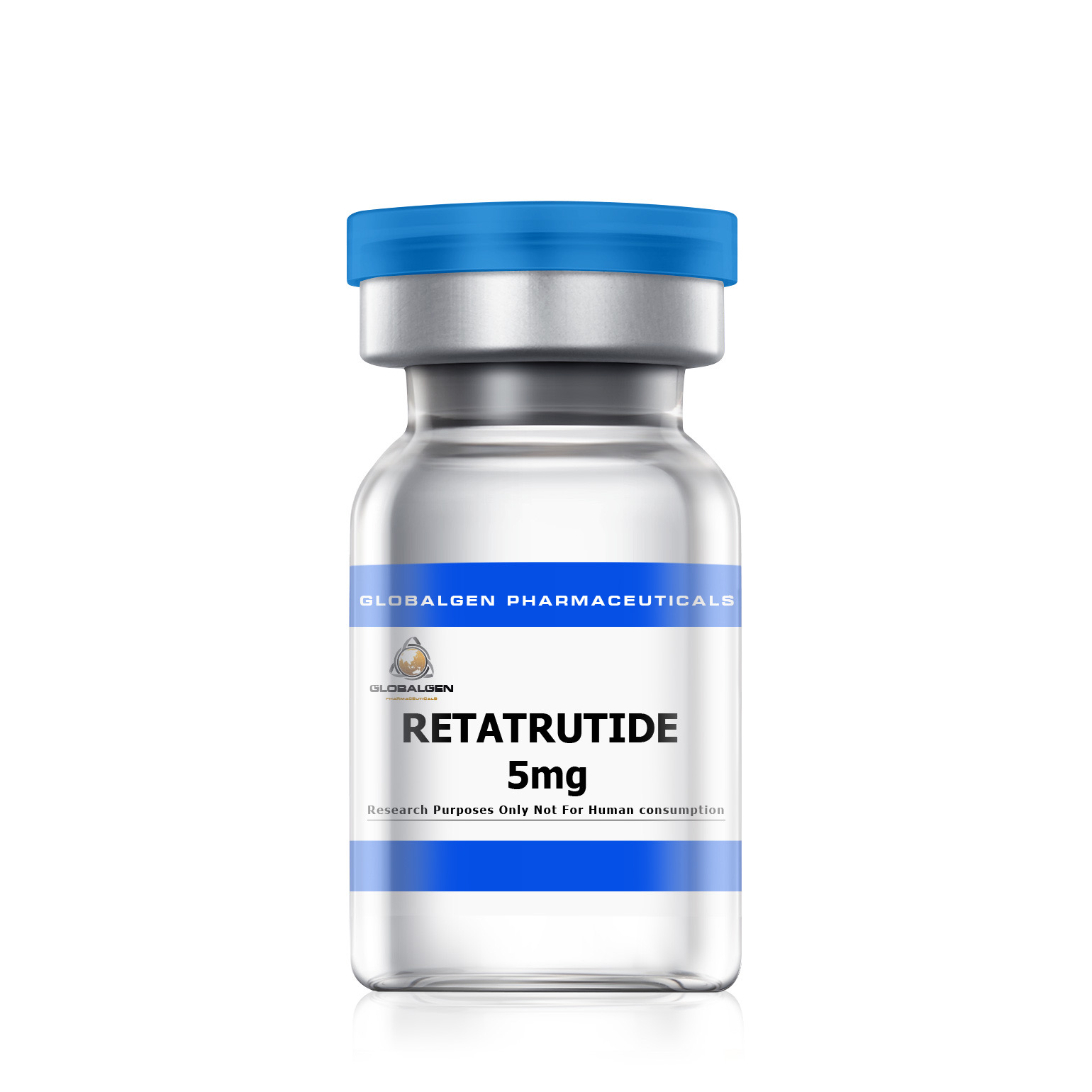
Retatrutide is an investigational drug being developed for the treatment of obesity and type 2 diabetes
. Here’s a breakdown of what you should know:
1. Mechanism of Action:
Retatrutide is a triple agonist, meaning it activates three hormone receptors: GLP-1, GIP, and glucagon.
GLP-1 and GIP receptor activation enhances insulin secretion, improves glucose control, and promotes satiety (feeling full), leading to reduced food intake.
Glucagon receptor activation increases energy expenditure and metabolism, potentially aiding weight loss.
2. Clinical Trials and Results:
Phase 2 trials have shown significant weight loss and improvements in glycemic control in individuals with obesity and type 2 diabetes.
One study reported an average weight loss of 24.2% in participants taking the highest dose of retatrutide (12 mg) over 48 weeks.
Participants also experienced substantial reductions in body weight, with a significant percentage achieving 5%, 10%, or 15% weight reduction goals.
In individuals with type 2 diabetes, retatrutide significantly reduced HbA1c levels (a measure of blood sugar control).
3. Side Effects:
Common side effects include gastrointestinal issues like nausea, vomiting, diarrhea, and constipation.
These side effects are generally mild to moderate and tend to decrease over time.
4. Availability:
Retatrutide is currently in Phase 3 clinical trials and is not yet approved by regulatory agencies like the FDA.
Availability for widespread use will depend on the successful completion of clinical trials and subsequent regulatory approval.
In summary, Retatrutide is a promising investigational drug that has shown impressive results in clinical trials for weight loss and type 2 diabetes management. However, it’s important to remember that it is not yet available for use and is still undergoing clinical development.
Reviews
There are no reviews yet.
Only logged in customers who have purchased this product may leave a review.



Reviews
There are no reviews yet.